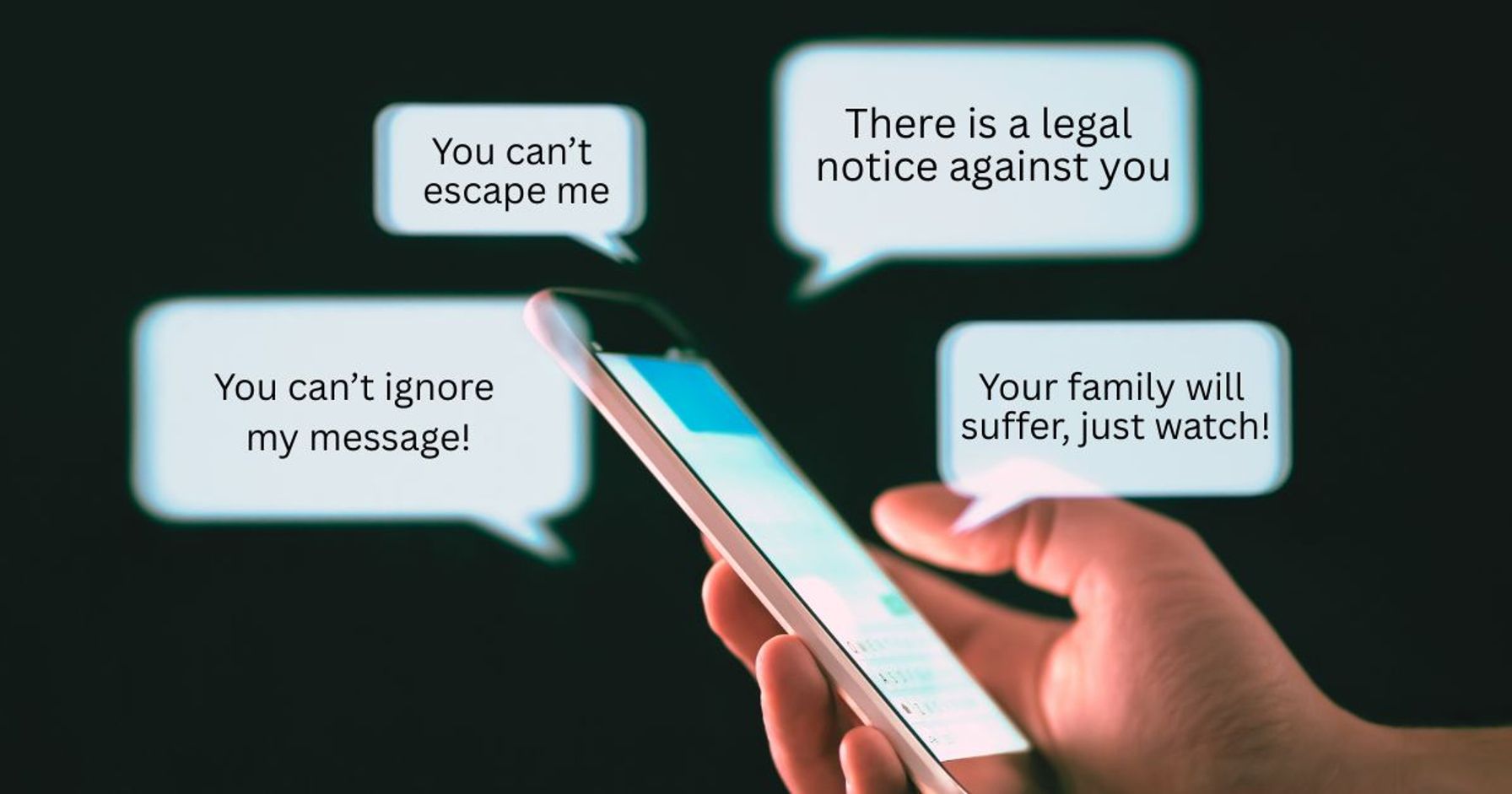
In today’s digital age, loan recovery has gone beyond phone calls and doorstep visits. Many borrowers now find themselves harassed on WhatsApp, a platform meant for personal communication. From repeated messages and abusive language to threats of defamation, these tactics often go unchecked. But such behavior is not just unethical — it’s illegal.
This blog explains how to identify WhatsApp harassment by recovery agents, your rights, and the legal remedies available to stop the abuse.
What Counts as WhatsApp Harassment?
Harassment by recovery agents on WhatsApp can include:
• Repeated messages or calls in a single day
• Threats of police action or jail
• Messages with abusive or vulgar language
• Attempts to contact your relatives or friends via WhatsApp
• Sharing your loan information in public groups or to third parties
• Use of fake legal notices, photoshopped documents, or threats of social defamation
Such acts violate RBI guidelines, data privacy laws, and in some cases, sections of the Indian Penal Code.
What the Law Says
1. RBI Guidelines on Recovery Agents
As per the RBI Circular on Recovery Agent Conduct (RBI/2022-23/108):
• Agents must not contact borrowers before 8 AM or after 7 PM.
• Communication must be civil and non-threatening.
• No contact should be made with relatives, neighbors or employers unless authorized.
2. Right to Privacy (Article 21)
Any attempt to shame or threaten a borrower using WhatsApp, especially in public or family groups, is a violation of the Right to Privacy, a fundamental right under Article 21 of the Constitution.
3. Cyber Crime Laws
Under the Information Technology Act, 2000, repeated unwanted communication, threats, and abuse via digital means qualify as cyberbullying or harassment and is punishable under Indian law.
What You Can Do: Legal Remedies
1. Send an Intimation Letter
Inform the lender formally about your financial hardship and your willingness to settle dues legally. This creates a legal record.
2. File a Complaint with the Bank’s PNO
Escalate the matter to the bank’s Principal Nodal Officer (PNO) with screenshots of the harassment and the agent’s number.
3. Approach the RBI Ombudsman
If the bank fails to act, file a complaint at the RBI CMS Portal. Provide all evidence, including screenshots, call logs, and previous email records.
4. Lodge a Cyber Crime Complaint
You can file a cyber complaint with the nearest police cyber cell or online at https://cybercrime.gov.in. Select the “Financial Fraud” or “Online Harassment” category.
5. Send a Legal Notice
A lawyer can help you issue a formal legal notice warning the lender and agent of legal consequences for non-compliance.
Important: You’re Not a Criminal
Loan default due to job loss, medical emergency, or financial difficulty is not a criminal offence in India. Harassment by loan agents is illegal and punishable.
Final Thoughts
You are entitled to be treated with dignity, regardless of your financial situation. If you’re facing harassment via WhatsApp by recovery agents, take action. Document everything, stay calm, and follow the proper legal channels. And if needed, take the help of a legal expert who specializes in loan resolution.
At Expert panel, we help distressed borrowers fight back lawfully and reclaim their peace of mind.
Read: https://expertpanel.org/blog/legal-rights-personal-loan-apps/